About The Zombie Chronicles
Released: August 2020
Introduction
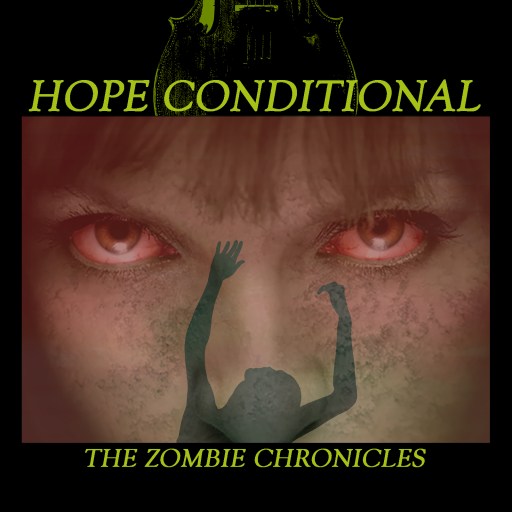
I wrote this album more quickly than any of my other projects, and I think it’s due to the overall clarity of vision. In early 2020, my son was writing stories about zombies. One night at the dinner table he was talking about his “Zombie Chronicles” and I offered to write a soundtrack for his books. Part of my motivation for doing so was to show my children that you can conceive, create, and publish your own project, just for the fulfillment of succeeding at doing so.
Many of the songs were written in the 5 month period prior to publication; only a third of the tracks are based on previous material.
Thus began my pattern of 18 song releases. 18 has long been a favorite number of mine, and that number felt right for the story I was trying to tell; subsequent symphonic rock releases of mine also have 18 songs per release.
Available on Spotify, Apple Music, YouTube, and Amazon Music.
Themes Explored
There is a narrative theme throughout the piece. A brother, Elijah, and his two cousins, Monica and Isabel, have to survive a zombie outbreak that threatens their coastal town. Will they live or fall victim? Where will they end up? What happens to their idyllic community of Dove Creek?
One of the specific things I did in this release was to assign specific instruments to characters or meaning: Elijah is represented by the trumpet, Monica by the French horn, and Isabel by the trombone. Elijah’s love interest, Maggie, is often represented by the clarinet. There is a point in the story when tragedy strikes, and those instruments are then largely removed from any tracks that follow.
There are specific themes as well, including one for death, one for love, and one for exhaustion. I bring these in and out at specific times, and combined the death and love theme at the end of the final track.
I determined early that this was going to be a rock album accompanied by an orchestra, an approach I continued for two more releases after this, to flesh out the sound and give it an operatic, soundtrack feel. In theory, any movie based on this story could use this as part of its score.
I also trusted my instincts more; I added a song simply for narrative purposes, and later spontaneously added a guitar solo because I felt it was missing when I listened to the track.
Specific Techniques Explored
I doubled down on subtle key changes, adopting key changes down heavily to indicate doom, and placing many in unexpected places, each with the hope that the listener likely wouldn’t notice. I employed heavy usage of modes, specifically Phrygian, and wrote two more Locrian based pieces as I identified ways to use them effectively without succumbing to the dissonance.
I started to change tempos during songs from section to section, and I began experimenting with features in the DAW like gradually slowing down tempos at the ends of ballads. I intentionally targeted a limited use of alternative time signatures, including more effective use of polyrhythms, where different instruments are effectively in different time signatures.
I paid a lot more attention to timbre of the various instruments, and was deliberate in the use of viola instead of violin, as an example. Combining this with assigning instruments to characters helped to heighten the narrative cohesion of the release. I doubled down on harmonies across lead guitar parts as well, introducing them more often than not, imagining most of these as two-guitar arrangements from a solo perspective.
I also abandoned a lot of the more traditional song structures, instead trying to build sections upon sections and let the melodies flow more rather than force them into verse / pre-chorus / chorus structures.
Songs
Time Idyllic
Key(s): F# Time Signature(s): 4/4
We open the story on a time of peace and harmony.
This orchestral track is intended to feel like the opening of a TV episode, or a movie, evoking an exploratory or awe-struck feeling.
Dove Creek
Key(s): Em, F#m (first verse) Time Signature(s): 4/4
We introduce the exciting community of Dove Creek.
There is a slightly ominous tone in the air as evidenced by the percussion only introduction. To counteract that, the key changes up a whole step when the first verse comes in to brighten the mood, then drops back to the original key for the remainder of the song. This song draws on influences such as Rainbow and late 80s hair metal.
Outbreak
Key(s): Dm, C#m, A# Phrygian, D Phrygian, C# Phrygian, Ebm Time Signature(s): 4/4, 5/4 with a 4/4 polyrhythm
The outbreak begins, and the zombie infection begins to spread.
I drew very specific influences for this song from horror movie soundtracks, specifically the use of dropping the key one half step, and using shorter, higher melody notes as the outbreak starts. The drop key change occurs several times in the song (at 1:28, at 2:42, and again at 4:16), but through various transitions the song opens and closes in Dm. There are other key signatures of note, including a minor third up during the opening section after the first half step drop.
The song features a section where the music is in 5/4, but the drums are clearly in 4/4 time, adding to the tension as confusion begins to rule the land.
Run
Key(s): Dm, D Dorian Time Signature(s): 4/4
The community run in terror as word of the infection spreads.
Run is a straight-ahead hard rock song that switches back and forth between minor and Dorian, raising the 6th degree of the scale during the verses for some additional brightness. It is also one of the rare tracks to-date with three-part guitar harmonies during the last choruses, and features one of my favorite guitar licks across all my albums at 2:35. The track draws heavily on my Queensryche, KXM, and Winger influences for its structure and progression.
Exhaustion
Key(s): A Locrian, Fm, D Locrian Time Signature(s): 4/4
Our heroes are exhausted from the constant flight.
This song is another I wrote in the Locrian mode for the choruses, fitting for a track about desperation and exhaustion. In this track, I handled the dissonance by mostly removing the 5th degree from the chords themselves, using instead roots and minor thirds only, allowing the chords to maintain consonance while allowing me to bring the 5th degree in through melody. I allowed the 5th degree to enter the chord structure during a diminished arpeggio in the acoustic guitar that transitions the chord from Adim to Fmi. The verses are in Fm, which helps stabilize a bit. The song features a notable key change, up a full fifth from A Locrian to D Locrian for the final chorus.
The song is also sparse by design; the only chordal instrument is a 12-string acoustic guitar. The early verses are played on a bass, and a cello enters later to take over harmony as counterpoint to the bass.
The track also introduces the “exhaustion theme” which will reappear later in the release from 2:41 to 2:55.
The Heroes Three
Key(s): Am, F#m Time Signature(s): 4/4
We introduce our heroes, Elijah, Monica, and Isabel.
This track introduces our heroes as well as the orchestral instruments that represent them, the trumpet Elijah, the horn Monica, and the trombone Isabel, alternating melodies throughout the track. The song features a key change down a minor third after each verse before returning to our original key for the chorus (effectively changing the scale itself from minor to major), and also liberally alternates between the major and minor 6th of the scale in its chord progression. The track is influenced by Ozzy’s Jake E. Lee era.
Maggie’s Theme
Key(s): B Time Signature(s): 4/4
Elijah and Maggie meet, and the attraction is mutual.
Maggie’s Theme introduces the love theme for the release, and introduces Maggie’s clarinet during the 2nd verse. Instruments are intentional here, as first Elijah’s trumpet, then Maggie, then the narrator’s violin, and then the three of them altogether continue to elevate the theme’s emotion. The final verse features a syncopated percussion track along with a call-and-response from the violin that brings energy and new joy to the song as something positive rises from despair.
The Cousins Fight Back
Key(s): Cm, C Phrygian, Bb Phrygian Time Signature(s): 4/4
The cousins lead a counterattack against the zombie horde.
This George Lynch influenced track features a tribal, driving percussion section, and more alternating melodies between the three main characters. The tempo and lively bass evoke victory and energy and positivity despite the use of melancholy key signatures, the use of flat 2nd chords, and the liberal use of flatted fifths in the guitar’s chord progression.
Zombies Strike
Key(s): F Locrian, E Locrian, Dm Time Signature(s): 6/8, 4/4
The zombie horde strikes a decisive blow.
The track opens with a slow, doomed piano melody over silence. It then shifts into hard rock single note guitar riffs in Locrian mode, but the melody remains on the piano in stark contrast to the energy of the assault. Just as in Outbreak, there’s a half step drop key change before the verse kicks in, evoking more doom and death to come.
Battlefield Lament
Key(s): Cm Time Signature(s): 4/4
Death on the battlefield, as our heroes flee for safety.
Battlefield Lament introduces the death theme during the chorus. The main instrument switches from violin to viola as homage to the somber atmosphere, and the verse chord progression again utilizes a droning bass tonality as chords and context slowly move ever lower. This remains one of my best songs in my opinion, with a haunting melody that successfully creates the feeling I intended. The death theme will appear later several times; the chorus chord progression returns as well towards the end of the release, although in a different key and context.
The Quiet Coast
Key(s): Am, D Dorian Time Signature(s): 4/4
The heroes find a temporary haven along the coast.
If I were to have a song back from this release, this might be it. On its own, it’s a perfectly fine work of music, that I definitely enjoy listening to, with it’s shift to D Dorian for the verse based around a Dmin7 chord, and an introduction a Bb chord towards the end of the verse to add tension, given the key of Am. I’m just not sure it accomplishes what I intended it to in the overall context of the listening experience.
When The Stars Come Down
Key(s): Em, E Dorian Time Signature(s): 4/4
The zombies find the sanctuary and battles ensue again as the future comes down.
This song is inspired by 80s hair metal and was written specifically for this release. It includes a lot of my favorite elements of my writing, including a shift from the verse to the chorus from Em to E Dorian, adding the A major chord to the progression and providing some tritone opportunities in the melody. The end of the chorus riff includes a transition from an Fmaj7b5 to an F chord; the Fmaj7b5 chord is also featured in the intro riff and is one of my favorite chords. The bridge features a rising chord progression over a droning bass. While this may not quite match the release overall thematically, this song is an excellent representation of how I might approach a rock instrumental.
To Love Her To Lose Her
Key(s): C Time Signature(s): 4/4
They lose Maggie to the zombies.
This is a straight ahead ballad in honor of the lost love interest, including a focus on the clarinet. This track features a lot of chord inversion, in particular with walking bass lines for tighter transitions from chord to chord.
Monica Stands Tall
Key(s): Em, A Time Signature(s): 4/4
Monica wins a decisive battle.
I experimented quite a bit with technique in this song, specifically using modes of rhythm; the opening French horn melody is the same melody once the outro begins, just shifted 1 quarter note later in the measure. This gives the second instance of the melody a sense of familiarity, but housing it in a major key and off by one beat in the measure gives it a sense of newness. The opening string section with three disparate parts echoing around each other are intended to evoke a brewing battle scene. The death theme reappears as well at the end of the guitar solo as the music pauses to let the finality of death ring out as Monica triumphs.
The outro, after transitioning to A major, features a progression of I – vi – IV – V, but the first pass through the outro drones the A on the bass, giving it sense of suspense before the guitars return as a coda to Monica’s victory, the bass now following the progression to give a sense of hope. A similar done technique is used in Escape to Avila, which also incorporates the death theme.
The Fall Of Isabel
Key(s): Bm, C#m Time Signature(s): 4/4
Isabel falls to the zombies, and the community mourns.
Another of my personal favorites. In particular, I am very happy with how the introductory mournful melody works, the woodwinds slowly sliding underneath the mournful piano melody during the verses, and the simplicity of the progression. This is one of my better early piano-based compositions, with a lot of subtle harmony. There’s a key change up for the solo, but what I hope is a smooth transition back down to the original key for the last verses. One of the techniques I use often when dealing with a full orchestra at my disposal is I echo piano melodies on the xylophone to provide some percussiveness to help the melody cut through. It’s used often here and I think it’s effective.
Once Isabel passes, her trombone is no longer heard in the melodies of the album.
Arms Arisen
Key(s): A, F#m, G# Phrygian, E Time Signature(s): 4/4
The community rallies for a final battle against the zombie horde.
I wrote this song write before publication. I felt that there needed to be something in between the darkest despair of losing Isabel and the victory at the end. I imagined what might be needed in a film version of the story, similar to the Ride of the Rohirrim in the Lord of the Rings. This all orchestral track is what emerged. The opening strings sound the somber rally for the community, bringing in the exhaustion theme over a choral vocal, and again over a tired march. There are several subtle changes in mode along the way that change the timbre of the track in a smooth way. The song embodies the exhausted feel of fighters making a final stand.
Elijah’s Victory
Key(s): C#m (and major), Bm, G# Phrygian, Fm, Dm (and major) Time Signature(s): 6/8
Elijah leads the community to victory over the zombie horde!
I wrote this track late in the process as well. I wanted to write a song that would evoke triumph and deliverance with an epic feel worthy of the album. I started with the opening guitar single-note riff, choosing 6/8 as the time signature to give it an almost march feel.
I took exceptional liberty with keys in this song, influenced by an idea used in Game of Thrones. The verses switch from minor to major and back again, changing the minor third used as the first note in the melody during the verses but leaving much of the melody the same; the chord progression changes in a subtle way as a result, using a i – vii – IV – i progression in minor, but a I – IV – ii – I progression when major. There is nuance in the melody that hints at growth, but can be hard to spot if you are not listening closely to note choice. The song uses seven different keys, weaving through several changes until the final verses are one step up from the opening verses for that hint of success. There’s even a full step drop in key at the end of the first set of verses that doesn’t feel ominous in the way earlier drop key changes do such as in Outbreak.
I used another technique which I often do, doubling guitar solos directly over the orchestral melodies in the last verse, mixed deep so they cleanly blend rather than overpower. I also wrote the guitar solo ahead of the final verse during mixing; the song was simply missing something at that point and I wanted to build back up to final display of victory.
Escape To Avila
Key(s): A, C, E Time Signature(s): 4/4
The community settles in a small coastal town after their escape.
This song has two distinct sections, the first evoking a calmness of escape with a touch of melancholy. While in the key of A major, the acoustic guitar pattern borrows a Dm chord instead of D, and brings in an F and G chord at the end of the verses as well. The tonal change provides a mixture of sadness and strength. I am very happy with the feel of the walking bass line in the first section of this song; it is something that just came to me suddenly as I was recording the track that I am very happy, with both the execution as well as the atmosphere the line creates. At the end of this section, we bring back a variation of the chord progression from Battlefield Lament, raised a semi-tone in key from that track, and interweave the love and death themes to conclude the album.
Conclusion
I am very proud of this release. The sound and writing quality are both much better than my opening album, and my ability to learn and incorporate new things allowed me to stretch in ways I hadn’t considered before. There are certainly places I could have improved, and a few tracks that feel forced to a degree, but overall there is little I would change about how this turned out.
Be welcome and true.

 Rob Hope